Robotic Endometriosis Surgery
Robotic-assisted laparoscopy is an advanced minimally invasive option that may be used for selected complex endometriosis cases — especially when disease is deep, adherent, or located near delicate structures such as the bowel, bladder, ureters, pelvic sidewall, and reproductive organs. It is a tool, not a technique category on its own.
What robotic surgery is
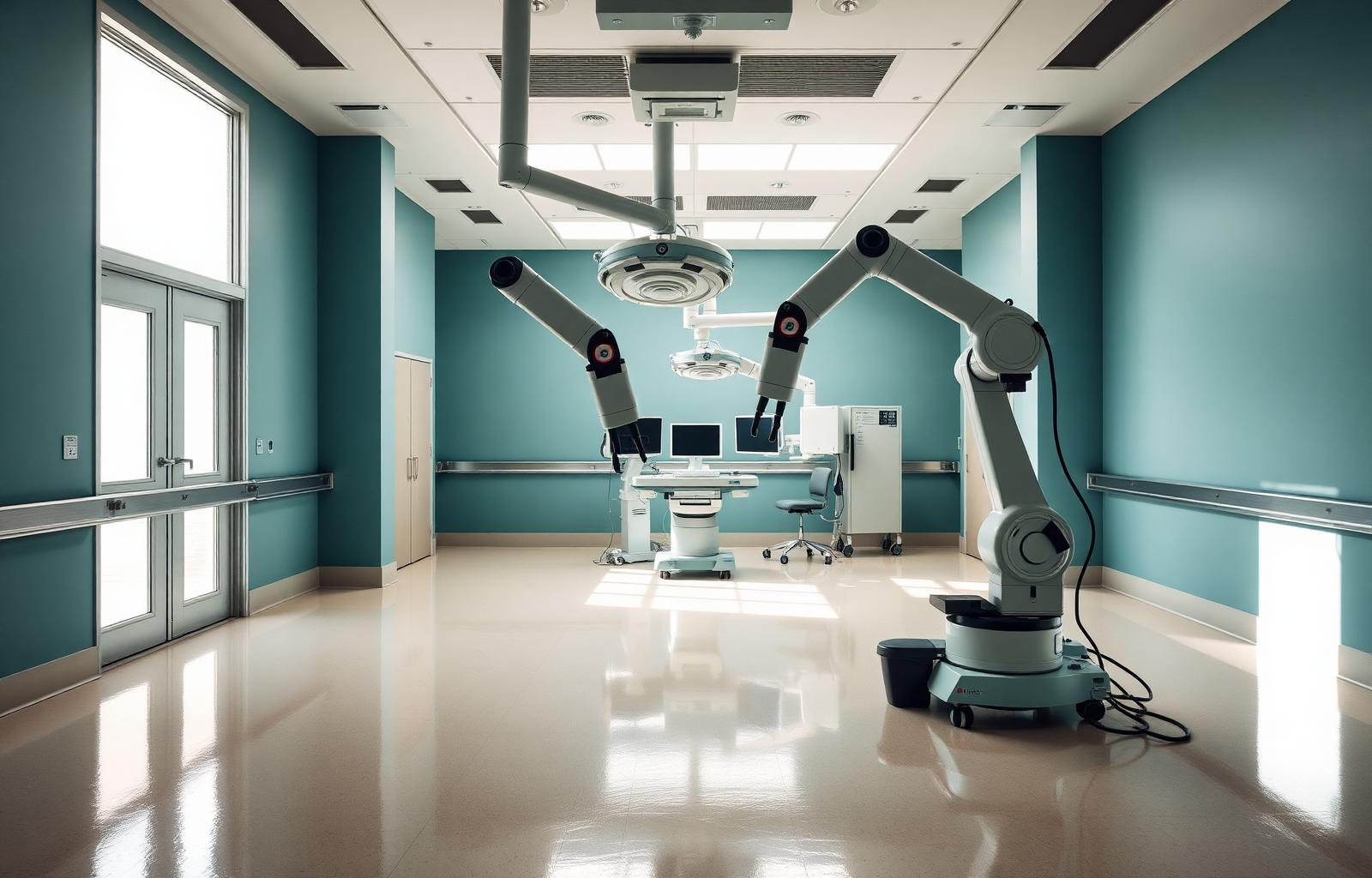
Robotic-assisted laparoscopy uses a surgical robot with articulated (wristed) instruments and 3D high-definition visualization. The surgeon sits at a console and controls the instruments through fine hand movements, which are scaled and tremor-filtered before being translated to the instrument tips inside the patient. It remains a minimally invasive approach; incisions and hospital stay are similar to standard laparoscopy.
Potential advantages in complex endometriosis
- 3D high-definition visualization of the surgical field
- Wristed instruments capable of fine articulation in narrow spaces
- Tremor filtration and motion scaling for delicate dissection
- Improved ergonomics for the surgeon during long operations
- May support precise dissection near the ureters, nerves, and rectum
When robotic assistance may be considered
- Deep infiltrating endometriosis
- Bowel endometriosis requiring shaving or disc excision
- Bladder or ureteral endometriosis requiring reconstruction
- Dense adhesions from prior surgery
- Repeat surgery with distorted anatomy
- Complex reconstruction near the pelvic sidewall or nerves
- Fertility-preserving surgery in patients with distorted anatomy
Limitations and honest trade-offs
- Loss of tactile (haptic) feedback
- Longer setup and docking time
- Higher equipment and disposable cost
- Availability depends on hospital resources and surgeon training
- For many endometriosis cases, an experienced laparoscopic surgeon achieves equivalent outcomes
What matters more than the platform
The evidence base does not show that robotic surgery is universally better than standard laparoscopy for endometriosis. What consistently matters is:
- Surgeon experience with endometriosis (case volume and complexity)
- Multidisciplinary team availability (colorectal, urology, fertility)
- Quality of pre-operative mapping
- Commitment to excision rather than ablation for deep disease
A capable surgeon with the right team and plan will achieve better outcomes than a less experienced surgeon with the newest equipment.
Questions to ask your surgeon
- Which approach do you recommend for my specific disease map, and why?
- How many endometriosis cases do you perform per year — laparoscopic and robotic?
- How often do you perform bowel, bladder, or ureteral excision?
- Which specialists will be available in the operating room if needed?
- How is completeness of excision documented — imaging, video, pathology?
See the Surgeon Selection Checklist for a printable version of these questions.
Related pages
Speak with an endometriosis advisor
Share your symptoms, prior treatment, and goals. An advisor will help you understand your options and connect you with the appropriate specialists.
Frequently asked questions
What is robotic endometriosis surgery?
Is robotic surgery better than standard laparoscopy?
When is robotic assistance most useful?
Are there disadvantages to robotic surgery?
How do I know if I need robotic surgery?
Medical review notice
This page was written for patient education and reviewed for medical accuracy by a member of the EndoHelp Medical Review Board.
- Reviewed by
- Dr. William Kondo, MD, MHSc
- Specialty
- Medical Reviewer — Endometriosis Excision Surgery & Minimally Invasive Gynecologic Surgery
- Content reviewed
- Endometriosis diagnosis, excision surgery, patient navigation.
- Last reviewed
- July 2026
Selected sources
Medical review policy · Editorial policy · References & sources · Network transparency
This content is educational and is not a substitute for professional medical advice, diagnosis, or treatment. Always consult a qualified healthcare professional regarding your individual condition.